Hüftzentrum BaselProf. Dr. Dr. Karl Stoffel
DE EN
Hip Centre Basel · Bethesda Hospital

Movement is quality of life.

Prof. Dr. med. Dr. phil. Karl Stoffel, internationally recognised specialist in hip surgery, conservative treatment and medical second opinions.

20+
years of clinical experience
2000+
hip & pelvic operations
10,000+
fractures treated
ENDOCERT
highest certification level
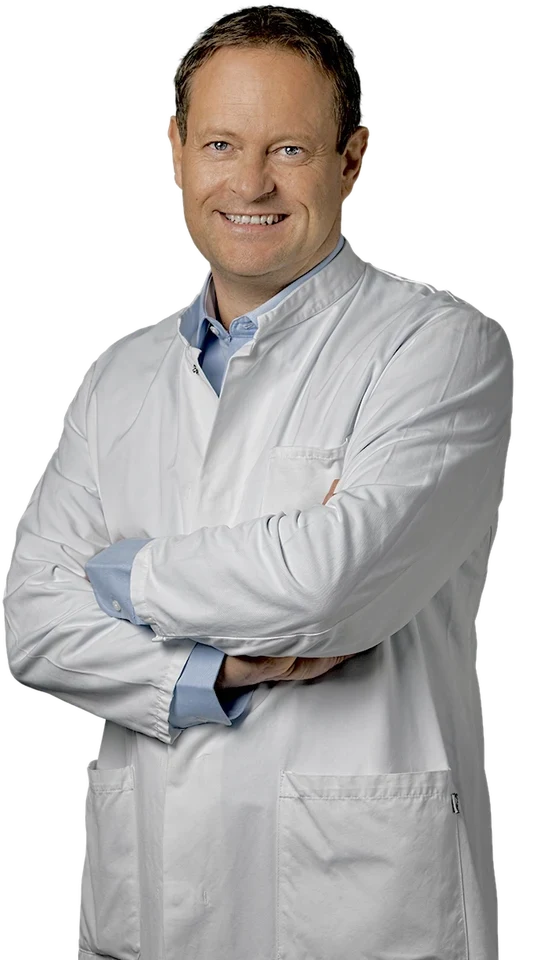
Prof. Karl Stoffel in a physician's coat
First assessment

Symptom check

Three short questions, a first orientation: find out what your symptoms most likely point to.

The symptom check is a first orientation only and does not replace a medical examination or diagnosis. In case of severe pain, fever or after an accident, please seek medical help immediately.

Diseases & injuries

Hip complaints

Depending on age, type and location of the pain, different causes come into question, from cartilage wear to sports injuries. Here you will find the most common conditions explained concisely.

Request an assessment +41 61 315 27 50

Hip pain

Cardinal symptom

Hip pain arises in the joint itself or is referred to the hip region from the abdomen or spine. In older patients, bursitis and osteoarthritis dominate; in younger patients, congenital malformations (dysplasia) and sports-related overload (impingement).

Hip osteoarthritis

Coxarthrosis

Wear-related loss of the cartilage surface of the acetabulum and femoral head. The most common hip disorder, usually from age 50 to 60. Around 80% of cases have an identifiable cause (e.g. dysplasia, malalignment, injuries, excess weight, inflammatory disease).

Femoroacetabular impingement

FAI

Bony changes at the femoral head/neck (CAM) and/or the acetabulum (pincer) cause abnormal contact during movement. The constant mechanical irritation can damage the labrum and cartilage. Untreated, it often progresses to osteoarthritis. Most patients have a combination of both forms.

Bursitis of the hip

Trochanteric bursitis

The bursa between the large tendon plate and the bony prominence of the femur becomes inflamed, usually through overload or faulty loading (e.g. long-distance running, pelvic obliquity, leg-length difference, previous hip surgery).

Avascular necrosis

Osteonecrosis of the femoral head

A circulatory disorder causes bone tissue in the femoral head to die; the weakened bone can collapse and trigger osteoarthritis. The primary form mainly affects men aged 35 to 45; risk factors include nicotine/alcohol, cortisone, metabolic disorders and trauma.

Hip dysplasia

Congenital malformation

A congenital malformation of the acetabulum with insufficient coverage of the femoral head. Thanks to newborn screening it is rare in adults. But in young adulthood it is a major risk factor for early osteoarthritis and can lead to hip dislocation.

Limping

Gait disorder

A noticeable irregularity of gait with an increased risk of falling. Around the hip it is usually pain-related (osteoarthritis, tendon or bursa inflammation, loose prosthesis); painless limping suggests muscle weakness, frequently after joint replacement.

Hip joint infection

Septic arthritis

A bacterial infection of the hip joint (usually staphylococci or streptococci), acquired via the bloodstream, after injections, open fractures or surgery. Untreated, permanent damage threatens; rapid action is essential.

Hip dislocation

Dislocated joint

The femoral head sits outside the socket: congenital as a consequence of severe dysplasia, or traumatic through considerable force (accident). Artificial joints can also dislocate; mechanical causes must then be investigated.

Femoral neck fracture

Hip fracture

The typical fracture of older age: a low-energy fall combined with osteoporosis. In younger patients only through high-energy trauma. Depending on the location, medial (near the joint) and lateral fractures are distinguished.

Hamstring injuries

Muscle & tendon tears

Strains and tears of the rear thigh muscles are among the most common sports injuries, from overstretched muscle fibres (grade 1) to a complete avulsion of the tendons from the ischium (grade 3).

Decide with confidence

The medical second opinion

Doubts about your diagnosis? Surgery has been recommended and you are not sure it is really necessary?

A medical second opinion is an independent review of your findings by an additional expert. It can correct misdiagnoses, reveal alternatives and prevent inappropriate treatment, so that you can decide in an informed and confident way.

Register now +41 61 315 27 50

Before surgery, a second opinion can pay off, medically and financially; in the US it has been mandatory for certain operations for years. It serves as a decision aid: if it confirms diagnosis and treatment, you gain confidence. If it reveals alternatives, including conservative ones, you can make your decision fully informed.

The most important criterion is experience. Prof. Stoffel has performed more than 2000 hip and pelvic operations and treated over 10,000 fractures and soft-tissue injuries, making him one of Europe's most experienced hip specialists, with expertise in international demand.

The assessment is almost always done on an outpatient basis, billed according to the Swiss Tarmed tariff and covered by health insurance, regardless of whether you are insured throughout Switzerland or only in your canton. Once your deductible is met, your share is 10% of the invoice.

Please bring all available records to avoid duplicate examinations:

  • Reports from your treating physicians
  • All X-rays with the radiologist's report
  • Previous surgical reports

Everyone has the right to a second opinion. More and more physicians encourage their patients to seek one before major procedures. You are entitled to request all records from your treating physician.

In Switzerland you are free to choose your outpatient physician. With few exceptions (GP/HMO insurance models) you can register with us directly, by phone or via the contact form.

Treatment & surgery

Range of services

Stepwise treatment: everything starts with the correct diagnosis. Surgery is only performed when conservative measures do not achieve the goal.

The spectrum ranges from non-surgical treatment of hip pain and joint-preserving procedures to complex revision surgery. Fractures usually require surgical stabilisation, while soft-tissue injuries can often be treated conservatively.

Request a consultation +41 61 315 27 50

Treatment spectrum

  • Hip osteoarthritis: primary, post-traumatic or with rheumatic and inflammatory disease
  • Painful or loosened hip prosthesis
  • Acute and chronic infections of an artificial joint
  • Hip instability with dislocations
  • Implant allergy, metal wear, “squeaking” artificial joint
  • Limping after joint replacement
  • Avascular necrosis of the femoral head
  • Femoroacetabular impingement (FAI) and labral tears
  • Hip dysplasia
  • Bursitis, tendon and synovial inflammation, snapping tendons
  • Acute or chronic tendon avulsion (abductors, hamstrings)
  • Nerve compression (e.g. meralgia paraesthetica), bone infections
  • Fractures of the pelvis, femoral head and femur, plus acute injuries of the entire musculoskeletal system (except spine and hand)

Surgical spectrum

  • Hip replacement: minimally invasive, bone- and soft-tissue-sparing, total or partial
  • Revision of hip prostheses (complete or individual components)
  • Hip arthroscopy (keyhole surgery)
  • Correction of hip deformities
  • Pelvic osteotomies
  • Soft-tissue procedures on bursae, tendons, nerves, muscles and fasciae
  • Fracture stabilisation with plates, screws, intramedullary nails or joint replacement
About me

Prof. Dr. med. Dr. phil. Karl Stoffel
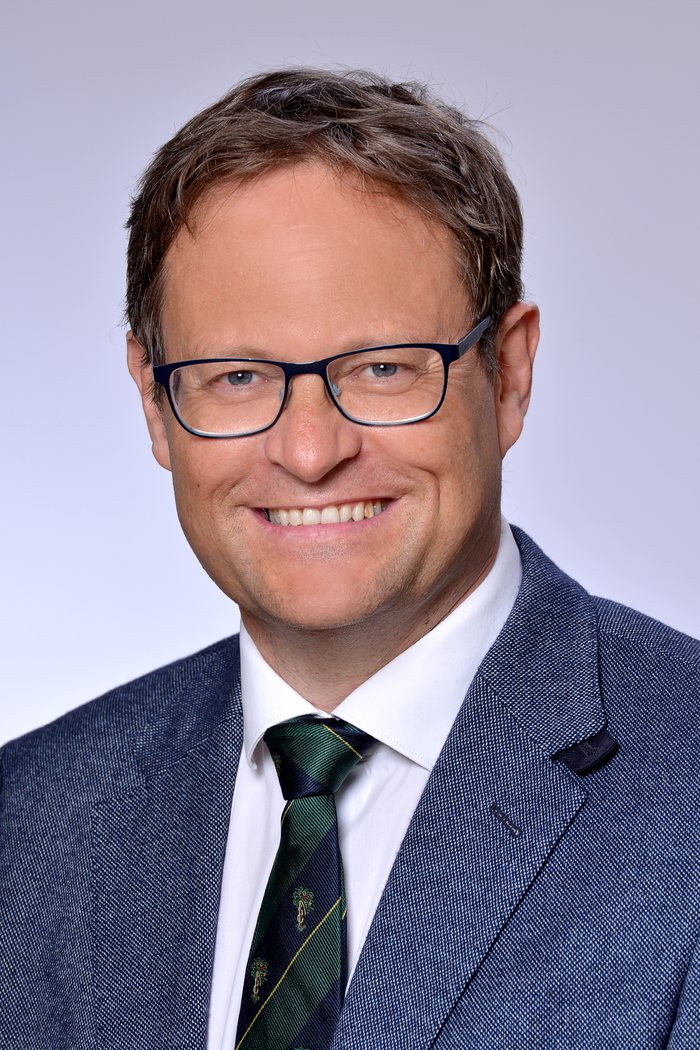
Portrait of Prof. Karl Stoffel

Medical head of orthopaedics at Bethesda Hospital · Head of the hip/pelvis team, Clinic for Orthopaedics and Traumatology, University Hospital Basel

Born in 1968 in Saas-Grund, state examination in 1995 at the University of Bern. After board certification in orthopaedics and traumatology, positions in Chur and St. Gallen followed, then several years of research and clinical work in Perth, Australia, including a second degree in biomechanics (PhD, 2007) and a professorship at the University of Western Australia (2011).

After more than 20 years of clinical experience I have learned to see the whole person, not just the hip. From the first examination through to aftercare, I remain your personal point of contact.

✓ More than 50 publications and 150 lectures nationally and internationally

Request an appointment +41 61 315 27 50

The team

Prof. Dr. Dr. Karl Stoffel

Prof. Dr. Dr. Karl Stoffel

Medical head of orthopaedics · Head of hip/pelvis team · Board-certified (FMH)

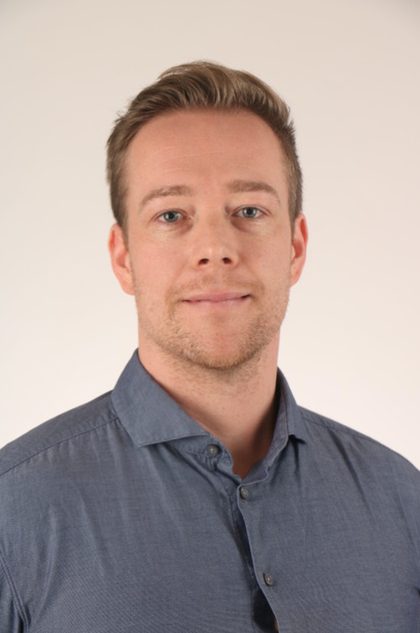
Dr. med. Hendrik Fleischer

Dr. med. Hendrik Fleischer

Senior physician, hip/pelvis team · Board-certified (FMH)

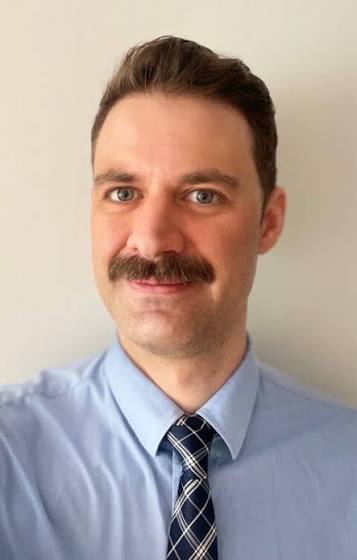
Dr. med. Thomas Stark

Dr. med. Thomas Stark

Resident, hip/pelvis team

SB

Susanne Biasi

Care manager

ST

Seda Türk

Team secretary, hip/pelvis

Not sure what your hip needs?

Get in touch directly. In Switzerland you are free to choose your outpatient physician. We are happy to advise you personally.

Contact us

Member of leading professional societies
Swiss OrthopaedicsFMH Foederatio Medicorum HelveticorumEuropean Hip SocietyInternational Society for Hip ArthroscopyAustralasian Orthopaedic Trauma SocietyRoyal Australasian College of SurgeonsAustralian Medical AssociationArthroplasty Society of Australia
We are here for you

Contact & registration

Call us or write to us. We will get back to you promptly. As a rule, no referral is required to register.

Hip Centre Basel

Orthopädie und Traumatologie
Universitätsspital Basel
Standort Bethesda Spital
Gellertstrasse 144, CH-4052 Basel

The easiest way to reach us is directly by e-mail, or by phone during office hours.

Send a message

Please do not send diagnoses, medical reports or X-ray images – describe your concern only in enough detail for us to call you back.

Your details are used exclusively to process your enquiry and are not passed on to third parties.

Getting to Bethesda Hospital

By public transport

  • Bus 37 from Aeschenplatz or Bottmingen to the “Bethesda Spital” stop
  • Bus 36 to “Redingstrasse”, approx. 5 minutes on foot
  • Tram 14 to “Karl Barth-Platz”, approx. 10 minutes on foot via Karl Jaspers-Allee
  • From Basel SBB station: tram to Aeschenplatz (1 stop), change to bus 37 or tram 14
BVB timetable

By car

  • Motorway exit A2 “Basel Breite”, via Zürcherstrasse turn left into Gellertstrasse
  • Paid parking is available in the hospital's underground car park

Hip pain Cardinal symptom

Hip pain arises in the joint itself or is referred to the hip region from the abdomen or spine. In older patients, bursitis and osteoarthritis dominate; in younger patients, congenital malformations (dysplasia) and sports-related overload (impingement).

When to see a doctor?

If the pain persists, you regularly take painkillers and your quality of life is impaired.

Assessment

Medical history and physical examination; depending on the suspected cause, blood tests, X-ray, CT or MRI.

Treatment

From rest, insoles and physiotherapy to surgical measures for persistent complaints, depending on the cause.

Request an assessment

Hip osteoarthritis Coxarthrosis

Wear-related loss of the cartilage surface of the acetabulum and femoral head. The most common hip disorder, usually from age 50 to 60. Around 80% of cases have an identifiable cause (e.g. dysplasia, malalignment, injuries, excess weight, inflammatory disease).

Symptoms

  • Pain on exertion, later also at rest
  • Typical start-up pain after resting
  • Groin pain radiating towards the knee
  • Increasing stiffness and limping

Diagnosis

Physical examination and X-ray; rarely MRI or CT.

Good to know

A distinction is made between quiescent and activated (inflamed) osteoarthritis. The latter causes swelling, warmth and severe pain.

Request an assessment

Femoroacetabular impingement FAI

Bony changes at the femoral head/neck (CAM) and/or the acetabulum (pincer) cause abnormal contact during movement. The constant mechanical irritation can damage the labrum and cartilage. Untreated, it often progresses to osteoarthritis. Most patients have a combination of both forms.

Symptoms

  • Deep-seated groin pain
  • Pain on prolonged sitting, walking or standing
  • Restricted hip movement

Diagnosis

Clinical provocation test (internal rotation), X-ray in two planes, MRI with contrast agent, diagnostic injection if needed.

Typically affects

Athletic, younger patients with exertion-related groin pain.

Request an assessment

Bursitis of the hip Trochanteric bursitis

The bursa between the large tendon plate and the bony prominence of the femur becomes inflamed, usually through overload or faulty loading (e.g. long-distance running, pelvic obliquity, leg-length difference, previous hip surgery).

Symptoms

Initially slight rubbing or burning on the outside of the hip; later severe tenderness (especially lying on that side), radiating to the outer knee.

Diagnosis

Usually a clinical diagnosis; X-ray to exclude bony causes, MRI to distinguish tendon inflammation.

Caution

Bacterial bursitis (intense redness, fever) is an emergency and requires immediate treatment.

Request an assessment

Avascular necrosis Osteonecrosis of the femoral head

A circulatory disorder causes bone tissue in the femoral head to die; the weakened bone can collapse and trigger osteoarthritis. The primary form mainly affects men aged 35 to 45; risk factors include nicotine/alcohol, cortisone, metabolic disorders and trauma.

Symptoms

Gradual pulling or suddenly shooting groin pain; in the final stage massive pain up to complete immobility.

Diagnosis

X-rays show changes only late. MRI is the method of choice for early detection.

Course

Four stages: from small poorly perfused areas to complete deformation of the femoral head.

Request an assessment

Hip dysplasia Congenital malformation

A congenital malformation of the acetabulum with insufficient coverage of the femoral head. Thanks to newborn screening it is rare in adults. But in young adulthood it is a major risk factor for early osteoarthritis and can lead to hip dislocation.

Symptoms

Often symptom-free for years; later exertion-related groin pain and a feeling of instability.

Diagnosis

Ultrasound in infants; in adults X-ray with measurement of acetabular coverage.

Treatment

Joint-preserving corrective pelvic osteotomy, one of Prof. Stoffel's areas of expertise.

Request an assessment

Limping Gait disorder

A noticeable irregularity of gait with an increased risk of falling. Around the hip it is usually pain-related (osteoarthritis, tendon or bursa inflammation, loose prosthesis); painless limping suggests muscle weakness, frequently after joint replacement.

Diagnosis

Targeted history and gait analysis; examination of the musculoskeletal system incl. neurological work-up, X-ray and MRI if required.

Causes outside the hip

Leg-length difference, pelvic obliquity, knee or foot problems, neuromuscular disease.

Request an assessment

Hip joint infection Septic arthritis

A bacterial infection of the hip joint (usually staphylococci or streptococci), acquired via the bloodstream, after injections, open fractures or surgery. Untreated, permanent damage threatens; rapid action is essential.

Symptoms

Severe groin pain with a protective posture of the leg, often accompanied by fever, malaise and a rapid pulse.

Diagnosis

Blood tests (inflammation markers), joint aspiration to identify the pathogen, imaging.

Request an assessment

Hip dislocation Dislocated joint

The femoral head sits outside the socket: congenital as a consequence of severe dysplasia, or traumatic through considerable force (accident). Artificial joints can also dislocate; mechanical causes must then be investigated.

Symptoms

Traumatic: severe pain in the buttock/groin, the flexed leg can no longer be moved. Congenital: unstable hip, asymmetric skin folds, delayed walking.

Diagnosis

Ultrasound in infants; X-ray in adults.

Request an assessment

Femoral neck fracture Hip fracture

The typical fracture of older age: a low-energy fall combined with osteoporosis. In younger patients only through high-energy trauma. Depending on the location, medial (near the joint) and lateral fractures are distinguished.

Symptoms

Severe pain and immobility; the shortened, outwardly rotated leg is typical.

Diagnosis

X-ray of pelvis and hip; rarely MRI.

Treatment

Depending on the fracture type, stabilisation with plates/screws, an intramedullary nail or joint replacement.

Request an assessment

Hamstring injuries Muscle & tendon tears

Strains and tears of the rear thigh muscles are among the most common sports injuries, from overstretched muscle fibres (grade 1) to a complete avulsion of the tendons from the ischium (grade 3).

Symptoms

Sudden stabbing pain at the back of the thigh, pain on stretching and loading; in severe injuries bruising and a palpable gap.

Good to know

A complete tendon avulsion often hurts less than a partial tear. The striking sign is weakness when bending the knee. Do not delay the assessment.

Request an assessment

Qualifications & diplomas

Request an appointment

Clinical career

Request an appointment

Memberships

Request an appointment